

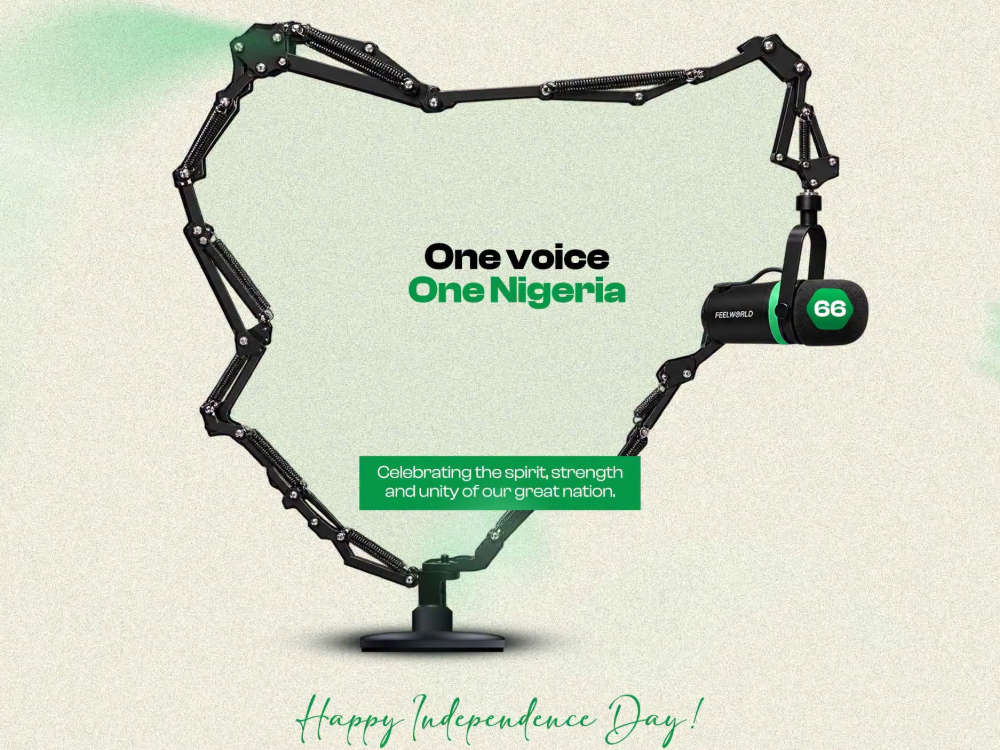
Sixty-six years after breaking free from British colonial rule, Nigeria is marking another Independence Day with a mixture of celebration, reflection and renewed questions about the country’s future.
Nigeria became an independent nation on October 1, 1960, following decades of nationalist struggle against British colonial rule. The historic ceremony took place in Lagos, where the British flag was lowered and the Nigerian flag was raised, formally marking the birth of an independent Nigeria.
Since then, the country’s journey has included a civil war, prolonged periods of military rule, economic crises and political upheavals, before returning to democratic governance in 1999. As Nigerians mark the 66th anniversary today, attention is once again focused on what the country has achieved, where it has fallen short and what lies ahead.
President Bola Tinubu, in his Independence Day address, said Nigeria had moved beyond the most difficult phase of his administration’s economic reforms and was entering what he described as an “age of prosperity.” He said the focus would now shift towards jobs, production, enterprise and improving living standards.
According to Tinubu, the past three years had been largely devoted to correcting what he described as deep economic distortions, while the next phase would centre on translating economic reforms into improved conditions for Nigerians.
He said the government would prioritise lowering the cost of living by increasing agricultural production, improving transportation and storage infrastructure, supporting industries, expanding digital connectivity and creating more productive opportunities for young Nigerians.
The President also ruled out a return to the petrol subsidy regime, maintaining that the reforms should be sustained as the country moves towards broader economic prosperity. He urged Nigerians to remain hopeful and said the sacrifices associated with the reforms would ultimately produce a stronger economy.
But while the Federal Government is highlighting economic reforms and the prospects of future prosperity, organised labour says many Nigerian workers are still struggling to cope with the rising cost of living.
Labour demands cheaper petrol, new wage
The Nigeria Labour Congress, NLC, has called for an immediate reduction in petrol prices, a nationwide wage award for workers and negotiations for a new national minimum wage.
In an Independence Day statement signed by NLC President Joe Ajaero, the union said inflation and rising petrol and transportation costs had eroded workers’ purchasing power, while increasing the cost of food, rent, school fees and other basic necessities.
The NLC also questioned how savings from the removal of the petrol subsidy have been used and argued that reducing fuel and transportation costs should be an immediate priority.
The union further called for negotiations on a new national wage standard ahead of 2027, saying the purchasing power of the existing ₦70,000 minimum wage had been significantly weakened by inflation.
Nigerians reflect on 66 years
Beyond the competing perspectives from government and organised labour, Nigerians themselves are using the anniversary to reflect on the country's journey.
Commercial vehicle drivers, traders at Sangana Market in Mile One, Port Harcourt, and other residents who spoke with Bonny FM correspondents expressed concerns about Nigeria’s socio-economic and political situation, while reflecting on how much progress the country has made since independence.
In Bonny, residents similarly acknowledged the challenges confronting the nation but expressed hope that Nigeria can become stronger, more united and more prosperous.
For some citizens, however, the question is not simply whether Nigeria has survived 66 years, but whether its vast human and natural resources have been adequately converted into better lives for its people.
‘Democracy remains a major achievement’
Executive Director of The Extra Step Initiative, Eugene Abels, has identified Nigeria’s uninterrupted transition from one elected civilian administration to another since the return to democracy in 1999 as one of the country’s significant achievements.
Abels, however, said many Nigerians were yet to feel the impact of the present administration, attributing this partly to what he described as inadequate engagement between government officials and citizens.
Speaking with Bonny FM, he called for greater accountability and urged Nigerians to be more deliberate about their choices during elections, particularly in selecting members of the legislature.
Resources without development
A lawyer and university lecturer, Obo Emmanuel, also expressed concern over what he described as Nigeria’s continued backwardness despite its abundant human and natural resources.
In an interview with our correspondent, Emmanuel said the country had not, over the past 66 years, fully harnessed those resources for national development. He argued that sustainable development would require stronger institutions, improved living conditions and consistent government policies.
Nigeria’s 66th Independence anniversary carries two sides of the story: a nation with a remarkable history of resilience and survival, and a country still grappling with the challenge of turning its enormous potential into prosperity that citizens can feel in their everyday lives.
The bigger question extends far beyond October 1: what kind of Nigeria will emerge in the years ahead, and how much closer will it come to the promise of independence?
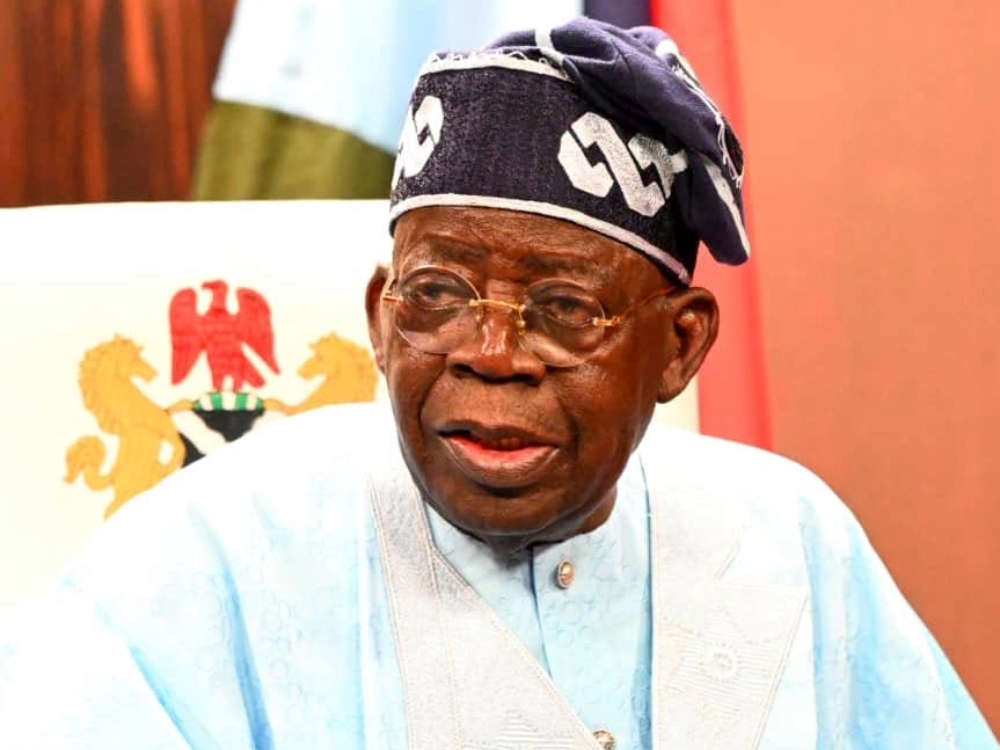 Nigeria At 66: Full Text of President Bola Tinubu's Independence Day Address themed Reforms to Prosperity
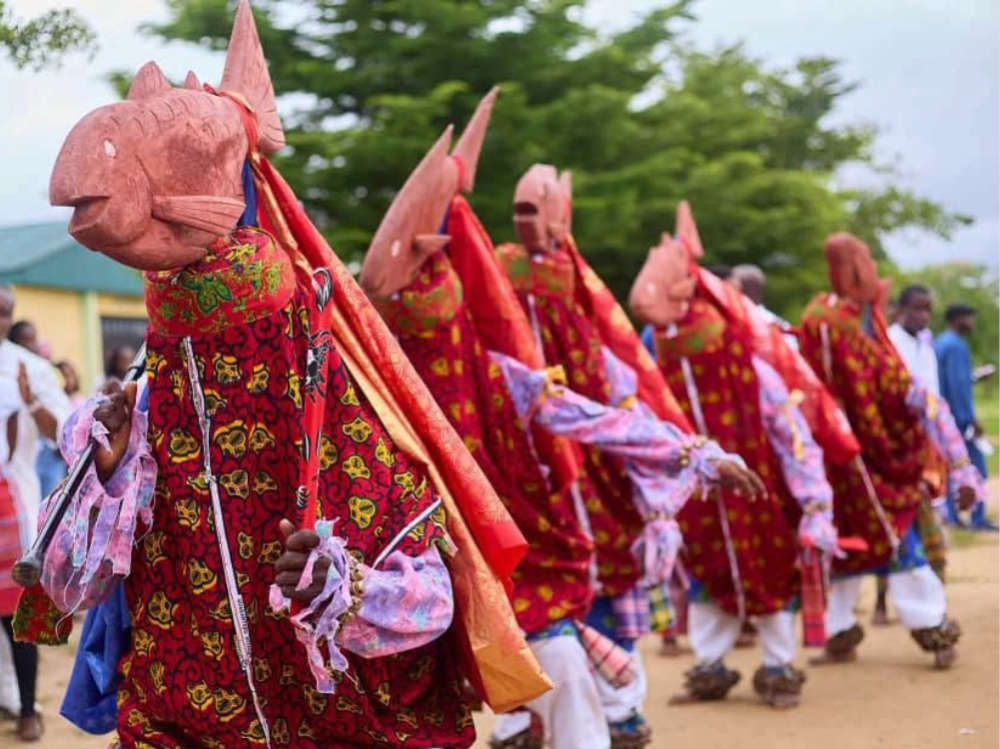 How to Harness Bonny’s Rich Culture for Economic Growth
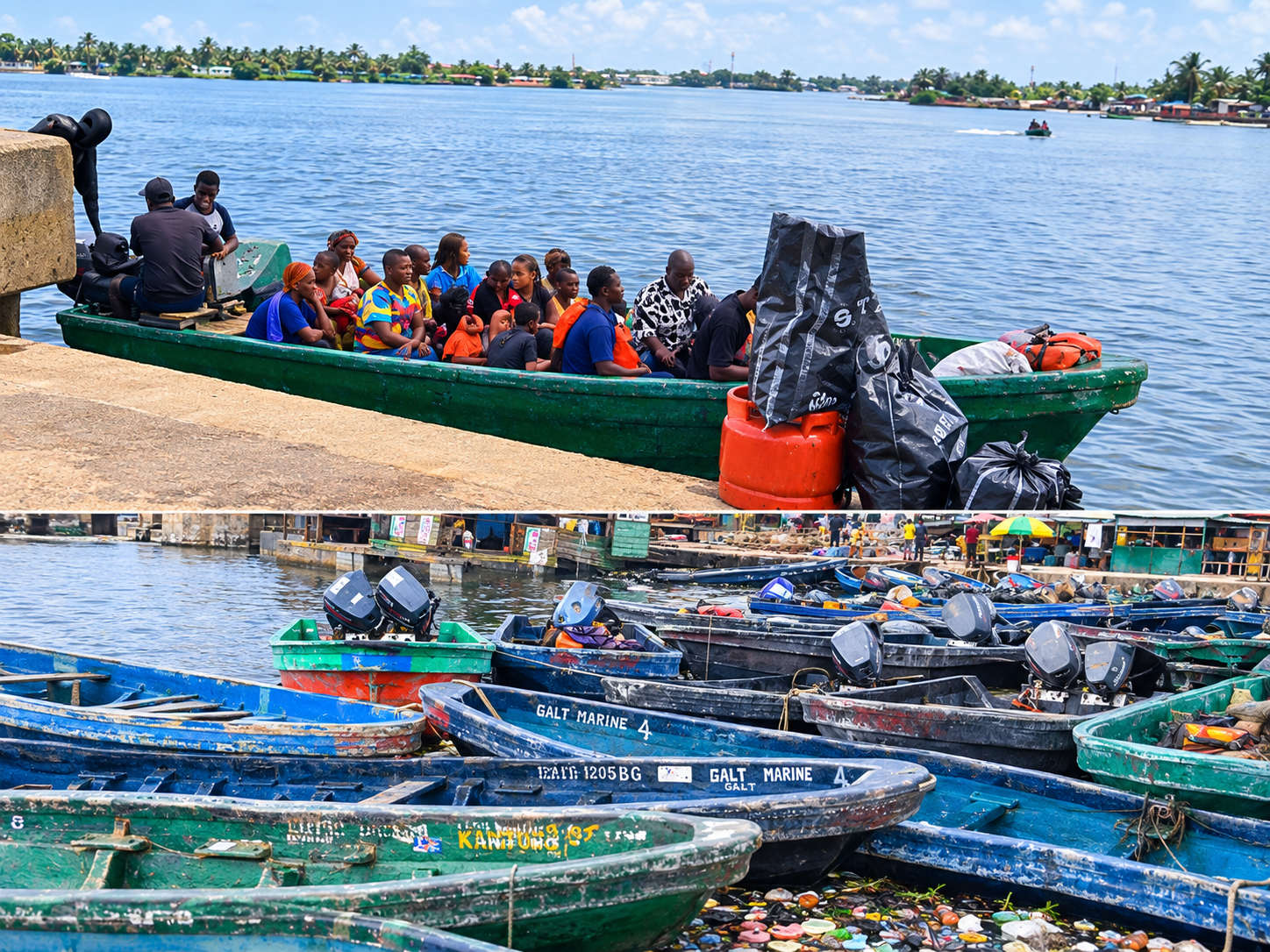 World Maritime Day: Stakeholder Calls For Practical Support For Seafarers
 Registration Opens for 4th Edition of Bonny Kingdom Boat Regatta
 Bonny FM’s Lerabari Deeyor Wins TFAAi On-Air Personality Prize in Rivers State
Comments
Add a comment